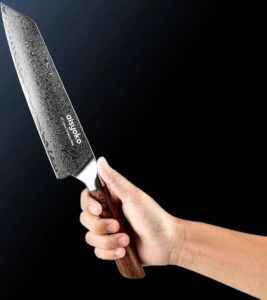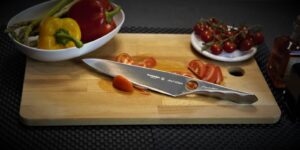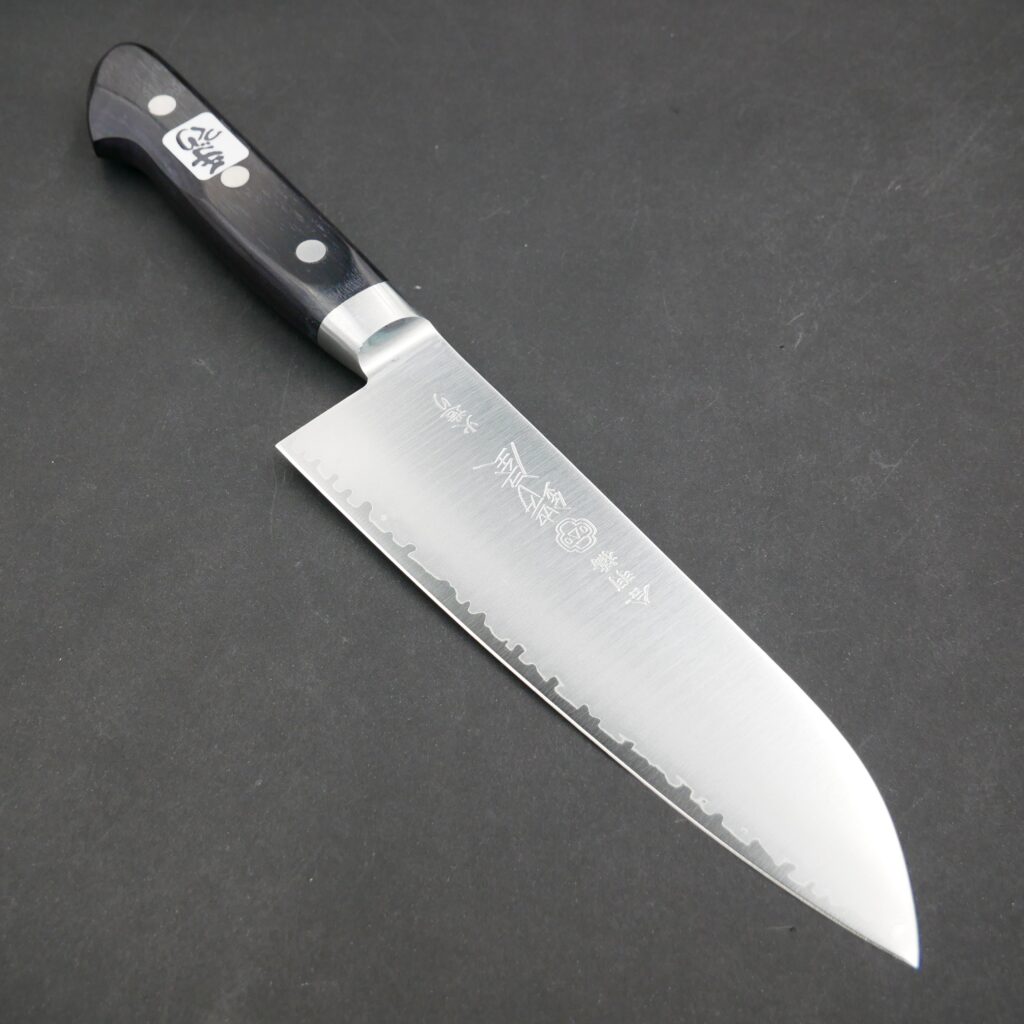
Stainless steel knives are popular for their durability, corrosion resistance, and ease of maintenance.
When selecting a stainless steel knife, consider the following key features:
- Material Quality: Look for high-carbon stainless steel for better edge retention and durability.
- Ergonomics: Choose knives with comfortable, balanced handles to reduce fatigue during use.
- Blade Design: Opt for designs that suit your cooking style, such as chef’s knives for versatility or specialized knives for specific tasks.
- Maintenance: Stainless steel is generally low-maintenance but ensure to follow care instructions to prolong the knife’s lifespan.
Key Characteristics of Stainless Steel Knives
- Corrosion Resistance: Stainless steel contains at least 12% chromium, which forms a protective layer that prevents rust and corrosion.
- Durability: Stainless steel knives are generally tough and can withstand regular use without significant wear.
- Ease of Maintenance: These knives require less maintenance than carbon steel knives, as they do not need to be oiled regularly to prevent rust.
- Edge Retention: Many stainless steels can maintain a sharp edge for extended periods, although this varies by type.
Common Types of Stainless Steel for Knives
- VG10
- Composition: Contains approximately 1% carbon and 14.5-15.5% chromium, along with molybdenum and vanadium.
- Hardness: Typically ranges from 58 to 61 HRC.
- Characteristics: Known for excellent edge retention and sharpness, VG10 is often used in high-end Japanese kitchen knives and is praised for its balance between hardness and toughness
- X50CrMoV15
- Composition: Contains 0.5% carbon and 15% chromium, along with small amounts of molybdenum and vanadium.
- Hardness: Generally around 55-58 HRC.
- Characteristics: This steel is widely used in German kitchen knives due to its good corrosion resistance and ease of sharpening, making it suitable for both professional and home cooks
- AUS-10
- Composition: Similar to VG10 but with slightly different proportions; contains about 1.05% carbon.
- Hardness: Usually around 60 HRC.
- Characteristics: AUS-10 is known for its toughness and ability to hold a sharp edge while being relatively easy to sharpen
- 1.4116
- Composition: Similar to X50CrMoV15 with high carbon content.
- Hardness: Comparable hardness levels, typically around 57-59 HRC.
- Characteristics: Offers excellent corrosion resistance and edge retention, often found in Swiss pocket knives
- Cromova 18
- Composition: Contains about 0.8% carbon with added chromium, molybdenum, and vanadium.
- Hardness: Similar hardness ratings as other stainless steels.
- Characteristics: Known for its fine grain structure and ability to be sharpened razor-sharp, commonly used in Global knives
Summary
Stainless steel knives are versatile tools suitable for a variety of culinary tasks. The choice of steel affects performance characteristics such as hardness, edge retention, and corrosion resistance. VG10 stands out for its superior sharpness and durability, while X50CrMoV15 offers a balance of ease of use and maintenance, making both popular choices among chefs and home cooks alike.