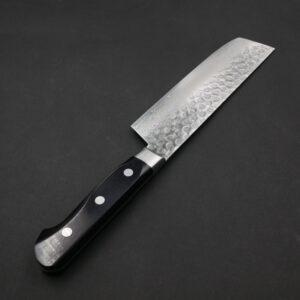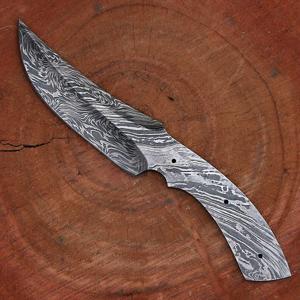
The unique patterns found on Damascus steel knives are created through a combination of layering, welding, and forging different types of steel. Here’s a detailed breakdown of the process:
Layering and Welding
Initial Stack: The process begins with the selection of at least two types of steel, typically a hard high-carbon steel and a softer steel. These steels are stacked in alternating layers to form a billet[1][2].
Forge Welding: The stacked layers are then heated to high temperatures and hammered together in a process known as forge welding. This step is crucial as it causes the layers to bond, creating a solid piece of composite steel[4]. The number of layers can vary, but more layers often lead to more intricate patterns.
Forging and Pattern Creation
Folding and Hammering: After the initial welding, the billet is folded and hammered multiple times. This action not only increases the number of layers but also begins to create the distinctive patterns. Each fold can change the orientation of the layers, contributing to the final design[2][3].
Pattern Techniques: Various techniques can be employed to create specific patterns during this forging process. For instance:
- Ladder Patterns: Achieved by pressing or grinding grooves into the surface before forging.
- Raindrop Patterns: Created by manipulating the layers in specific ways during the folding process.
- W’s Patterns: Formed by rotating and restacking the billet at different angles during forging[5].
Etching for Visibility
Revealing Patterns: Once the blade is shaped, it is often etched with an acid solution. This etching highlights the differences in composition between the various steels, making the unique patterns visible. The contrast between hard and soft steels enhances the aesthetic appeal of the blade[1][4].
In summary, the creation of Damascus steel patterns is a complex interplay of layering different steels, forge welding them together, and skillfully manipulating them through repeated folding and hammering. The final aesthetic is often enhanced through etching, resulting in knives that are not only functional but also visually striking.