The weight of a forged knife does indeed affect its durability and resistance to wear, primarily due to the characteristics imparted during the forging process. Here are the key points regarding how weight influences these factors:
1. Structural Integrity
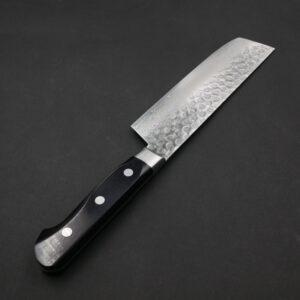
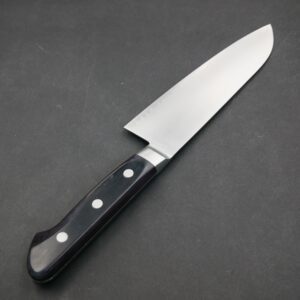
- Thicker Blades: Forged knives are typically thicker and made from a single piece of steel, which contributes to their overall strength and durability. This thickness helps them resist bending or warping under stress, particularly when cutting through tough materials like root vegetables or meats[1][5].
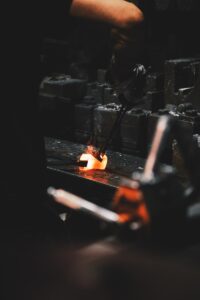
- Molecular Alignment: The forging process involves heating and hammering the steel, which rearranges the molecular structure. This process can increase the density of the blade, making it tougher and more resistant to wear over time. The increased hardness often results in better edge retention, meaning the knife stays sharper longer[2][5].
2. Weight and Cutting Efficiency
- Weight Distribution: The additional weight of forged knives aids in cutting efficiency by allowing gravity to assist with slicing and chopping. This means less force is required from the user, which can reduce wear on both the knife and the user’s wrist during extended use[1][4].
- Chipping Resistance: Heavier forged knives tend to have a more robust edge that can withstand impact better than lighter stamped knives. While high-carbon forged knives can be more brittle, their overall construction allows them to resist chipping under normal kitchen use when compared to lighter options[1][2].
3. Wear Resistance
- Material Hardness: Forged knives are often made from high-carbon stainless steel or other alloys that undergo heat treatment to achieve higher hardness levels (typically between 54 and 63 on the Rockwell scale). This hardness contributes to their resistance against wear and tear, allowing them to maintain their sharpness longer than many stamped knives, which may not be heat-treated to the same extent[1][5].
- Long-Term Durability: The combination of weight, thickness, and material quality in forged knives generally leads to greater long-term durability. They are less likely to develop issues like warping or losing their edge quickly compared to lighter stamped knives that may be more prone to bending or dulling under similar conditions[4][5].
Conclusion
In summary, the weight of a forged knife positively affects its durability and resistance to wear through enhanced structural integrity, better edge retention, and improved cutting efficiency. While heavier knives provide advantages in strength and stability, they may also require more effort for users who prefer lighter tools for precision tasks. Ultimately, choosing between forged and stamped knives should consider both personal preference and the specific culinary tasks intended.