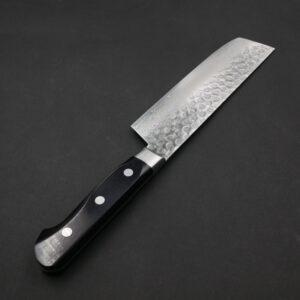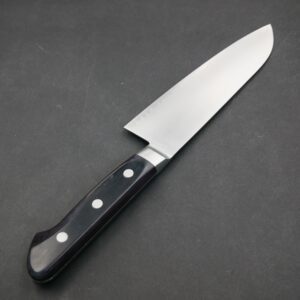
Heavier forged knives indeed excel in certain tasks compared to their lighter counterparts, primarily due to their construction and weight distribution. Here’s a breakdown of how weight affects their performance across various culinary tasks:
1. Chopping and Slicing
- Power and Momentum: Heavier forged knives provide more momentum, which is advantageous for chopping through dense foods like squash or root vegetables. The added weight allows for a more powerful cut without requiring as much effort from the user[1][2].
- Stability: The robust nature of heavier knives makes them less likely to bend or warp during use, which enhances precision when cutting tough materials[4]. This stability is particularly beneficial for tasks that require firm pressure, such as slicing through thick meats or hard vegetables.
2. Rocking Motion Techniques
- Efficiency in Mincing: Heavier knives are often better suited for the rocking motion technique used in mincing herbs or vegetables. The weight helps the blade to rock back and forth smoothly, making the process more efficient[1][2][4]. This technique benefits from the knife’s ability to maintain contact with the cutting board without excessive force.
3. User Fatigue Considerations
- Prolonged Use: While heavier knives are advantageous for certain tasks, they can lead to increased fatigue during extended use. Users may find that a lighter knife is more comfortable for long periods of cutting, particularly in tasks that require repetitive motions[2][3]. Therefore, the choice between a heavier or lighter knife may depend on the specific task and duration of use.
4. Precision Tasks
- Delicate Work: Lighter knives are often preferred for precision tasks such as filleting fish or intricate vegetable cuts. Their reduced weight allows for greater maneuverability and less strain on the wrist, making them suitable for detailed work where control is paramount[2][4].
Conclusion
In summary, heavier forged knives are generally better suited for heavy-duty tasks that require power and stability, such as chopping and slicing dense foods or using rocking techniques. However, they may not be ideal for all situations, especially when precision and prolonged use are involved. Ultimately, the best choice depends on the specific culinary tasks at hand and personal user preference regarding comfort and handling.