Damascus steel knives are renowned for their unique combination of aesthetics and performance, distinguishing them from other types of steel knives. Here are the key factors that contribute to their uniqueness:
Distinctive Aesthetic Patterns
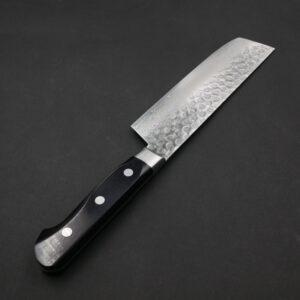
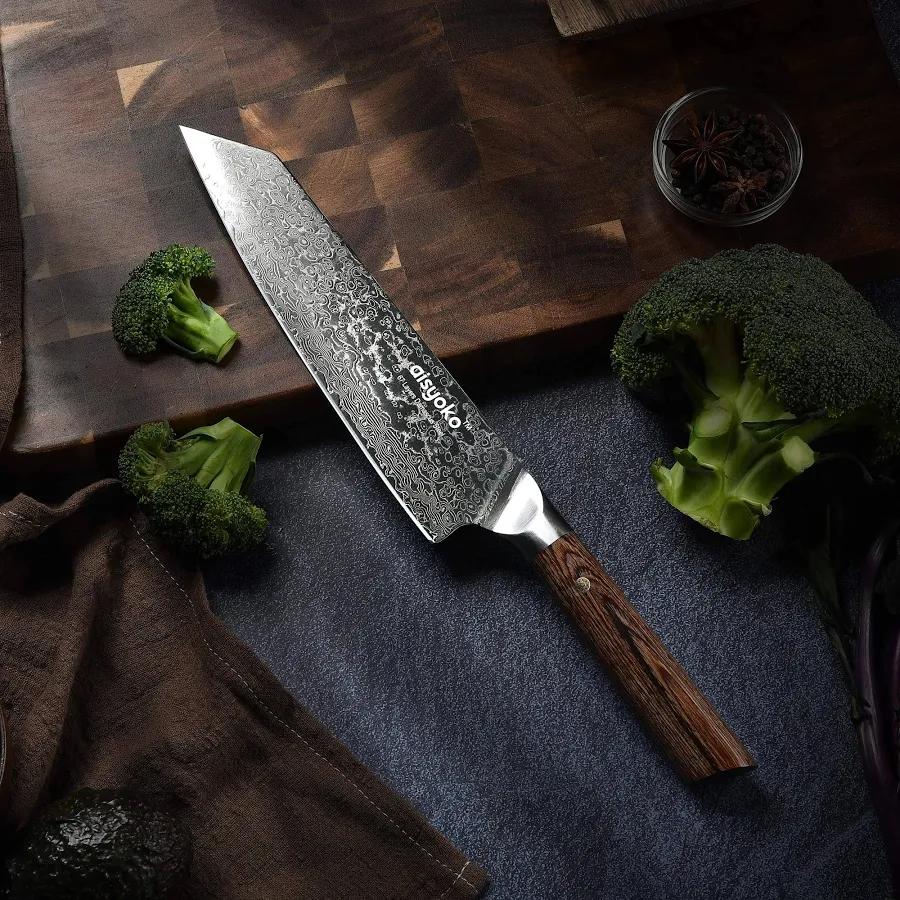
Visual Appeal: The most recognizable feature of Damascus steel knives is their beautiful, wavy patterns, often described as resembling flowing water. This appearance results from the layering and folding of different steel alloys during the forging process, creating a unique design for each blade[1][2]. The patterns can vary widely, influenced by the specific techniques and materials used by the bladesmith[1].
Manufacturing Process
Pattern-Welding Technique: Modern Damascus steel is primarily made using a technique called pattern welding. This involves stacking layers of different types of steel, heating them, and then hammering them together to create a solid blade[1][3]. This labor-intensive process allows for a variety of designs and can incorporate different properties from each alloy, enhancing the knife’s performance characteristics.
Performance Characteristics
Strength and Flexibility: Damascus steel knives are known for their high strength and flexibility. The layering process not only contributes to their aesthetic appeal but also enhances their durability and ability to retain a sharp edge[2][5]. The combination of different steels can lead to improved performance in terms of edge retention compared to single-alloy knives[3].
Unique Edge Retention
Microscopic Serration Effect: Some Damascus knives exhibit better edge retention due to a microscopic serration effect created by the interaction of softer and harder steels in the blade. This effect helps maintain sharpness longer than many traditional knives[3][4].
Artisan Craftsmanship
Handcrafted Quality: Many Damascus knives are handcrafted, which adds to their uniqueness. Each knife is often made individually, allowing for personalization in design and performance that mass-produced knives cannot match[1][2]. This craftsmanship not only enhances the knife’s beauty but also its overall quality.
Material Composition
Variety of Alloys: The performance of a Damascus knife can vary significantly based on the types of alloys used in its construction. Common combinations include high-carbon steels mixed with stainless steels or other alloys like vanadium and molybdenum, which can enhance hardness and corrosion resistance[1][3].
In summary, Damascus steel knives stand out due to their **distinctive patterns**, **unique manufacturing processes**, **enhanced performance characteristics**, and **artisan craftsmanship**, making them both functional tools and works of art.