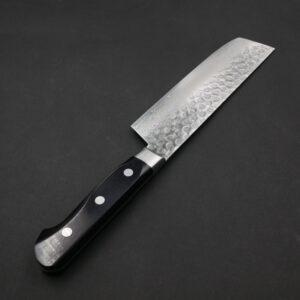
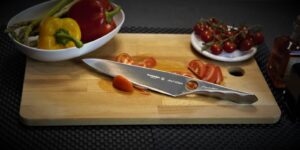
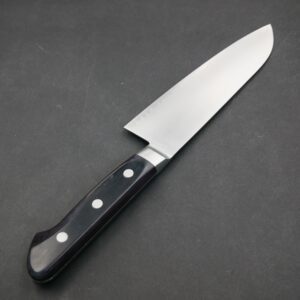
Forged steel knives are renowned for their durability, balance, and performance in the kitchen. They are made from a single bar of steel that is heated and shaped through a process called forging, which enhances the strength and edge retention of the blade. This method contrasts with stamped knives, which are cut from sheets of steel and typically lighter and less expensive.
Manufacturing Process
- Forging: A forged knife is crafted by heating a solid piece of steel and then hammering it into shape. This process can be done manually by skilled artisans or through machinery.
- Bolster: Most forged knives feature a bolster—a thick junction between the blade and the handle—which provides balance and weight to the knife, enhancing its control during use[2].
- Tang: Forged knives usually have a full or partial tang, meaning the metal extends into the handle, which contributes to the knife’s durability and balance[2].
Types of Forged Knives
Different brands offer various series of forged knives, each with unique designs and functionalities:
- Forged.nl: Offers six distinct series including:
- Brute: Known for its rugged design, includes various types like chef’s knives and cleavers.
- Intense: Features a similar range as Brute but with a more refined aesthetic.
- Olive: Incorporates olive wood in its design, providing an elegant touch.
- Katai: Inspired by wave-like shapes, blending artistry with functionality[1][3].
- K Sabatier: A professional brand known for its fully forged knives made in Thiers, France. Their products cater to both professional chefs and cooking enthusiasts[4].
- Steelport Knife Co.: Focuses on American-made carbon steel knives that are handcrafted for premium quality[5].
Quality Considerations
- Durability: Forged knives generally exhibit superior durability compared to stamped knives due to their manufacturing process.
- Edge Retention: They typically maintain sharpness longer because they are made from harder steel[2].
- Comfort and Balance: The weight distribution provided by the bolster and tang contributes to a more comfortable grip during prolonged use.
Choosing a Forged Knife
When selecting a forged knife, consider the following factors:
- Feel in Hand: The balance and weight should feel comfortable during use.
- Purpose: Different knives serve different functions (e.g., chef’s knife for general chopping, paring knife for detailed work).
- Brand Reputation: Established brands often provide better quality assurance but be cautious of low-end offerings from well-known names[2].
In summary, forged steel knives represent a blend of traditional craftsmanship and modern culinary needs, making them a valuable addition to any kitchen.